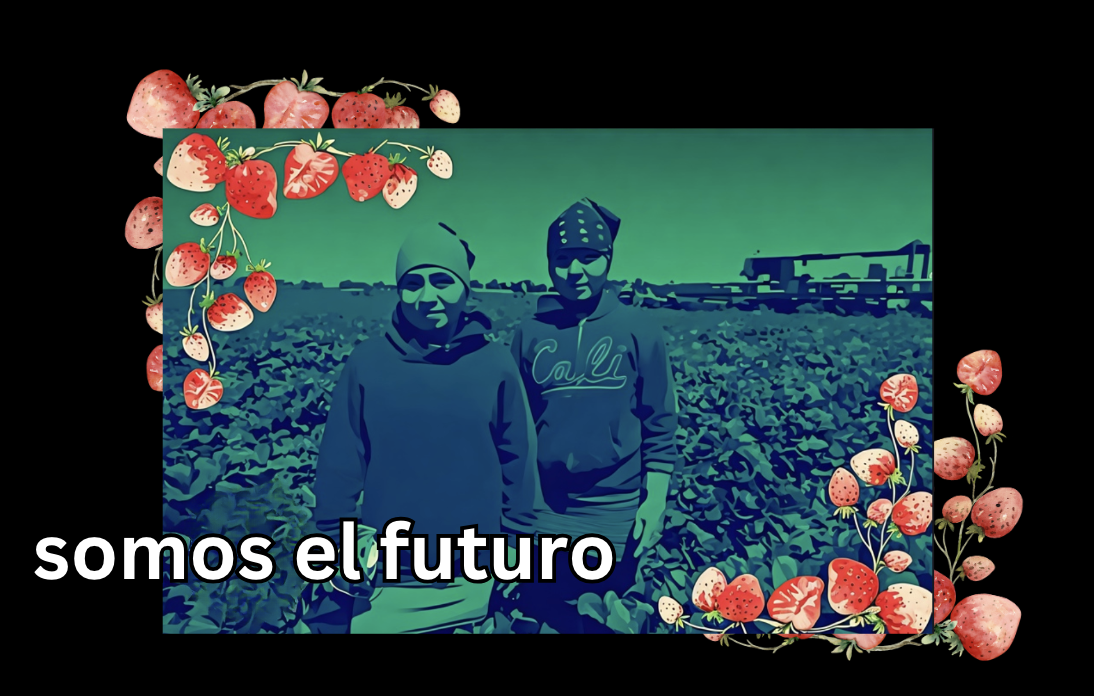
Harvesting Hope:
Securing Farmworker Futures in the Age of AI
DOI:
https://doi.org/10.60690/zjs14q16Abstract
California’s 900,000 farmworkers constitute half of the nation's farm labor force, playing a critical role in U.S. agriculture by harvesting one-third of the country’s vegetables and 90 percent of its strawberries. Despite their essential contributions, these workers face significant economic and social challenges. Most farmworkers have over a decade of experience in the U.S. agricultural sector, yet many struggle with job security, low wages, and lack of access to stable employment opportunities. Immigration status further compounds these hardships, as an estimated 50 percent of California’s farmworkers are undocumented, making them particularly vulnerable to labor exploitation, deportation threats, and exclusion from social services. Recent federal immigration enforcement policies, including mass deportation raids and proposed changes to the H-2A visa program, have heightened workforce instability, raising concerns about labor shortages in agriculture. Farmworker advocacy groups are calling for legislative reforms to provide legal pathways to residency or expand guest worker protections. Addressing these challenges is essential for ensuring both the well-being of farmworkers and the long-term sustainability of California’s agricultural economy. This paper examines the threats posed by automation and shifting immigration policies and proposes policy solutions, including public-private partnerships, to support displaced farmworkers in the evolving agricultural landscape.