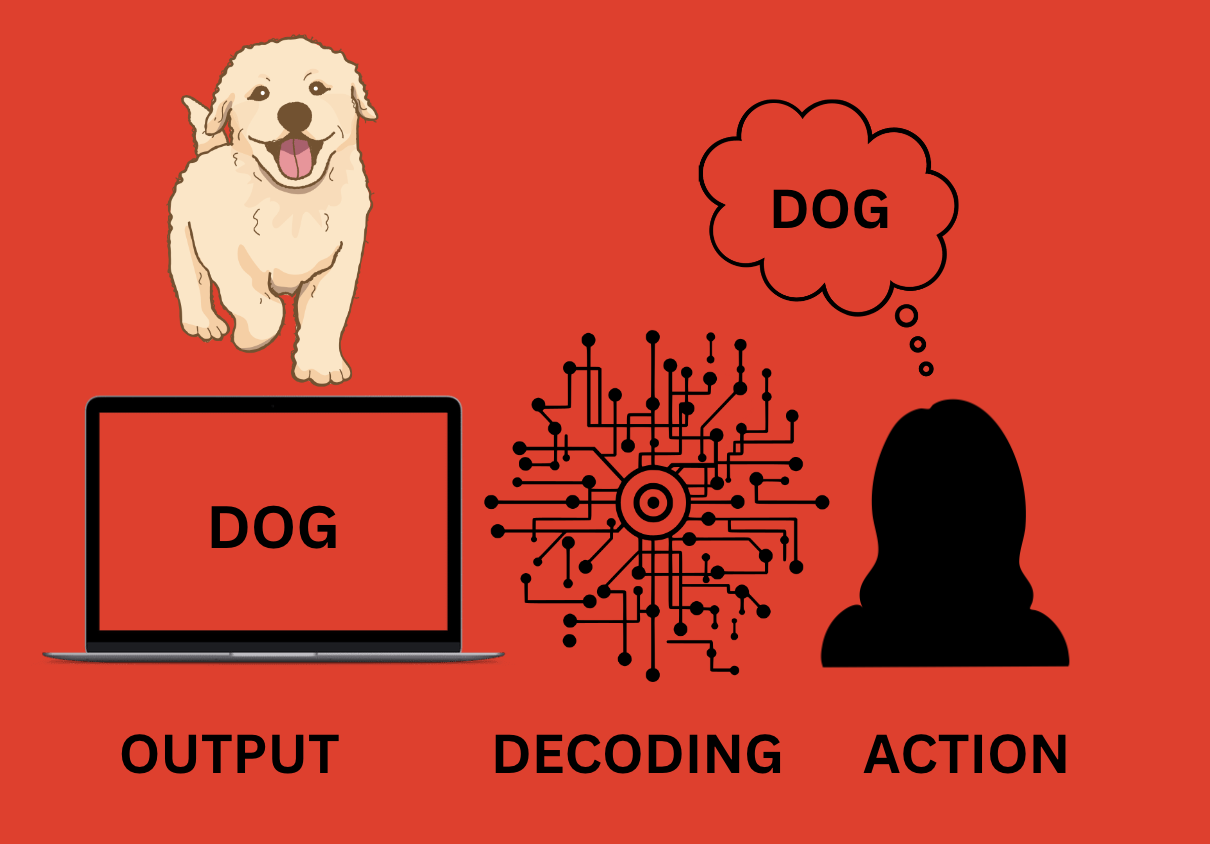
Breaking the Silence with Direct-Speech Brain Computer Interfaces: Centering Communicative Disability in Ethical Recommendations for Mitigating Algorithmic Bias
DOI:
https://doi.org/10.60690/ps71ek50Keywords:
brain computer interfaces, artificial intelligence, AI ethics, Bias in AI Decision Making, algorithmic bias, communicative disability, neurotechnology, neuroethics, language model, user-centered designAbstract
Despite growing scholarly attention to the ethical implications of direct-speech brain-computer interfaces (BCIs), there remains a lack of concrete guidance on how to address these concerns—particularly for users with communicative disabilities. As neuroengineering continues to advance alongside developments in artificial intelligence and machine learning, the need for clear ethical frameworks and standardized protocols becomes increasingly urgent. This paper investigates the core ethical challenges of direct-speech BCIs for individuals with communicative disabilities, identifying algorithmic bias as a central and underexamined issue. Through analysis of existing neuroethical standards, policy proposals, and international legislation related to AI and neurotechnology, the paper exposes critical gaps in current guidance. Drawing from disability studies and related fields, it argues that mitigating bias and ensuring equitable BCI development requires a broader, more inclusive understanding of language and a commitment to user-centered design.