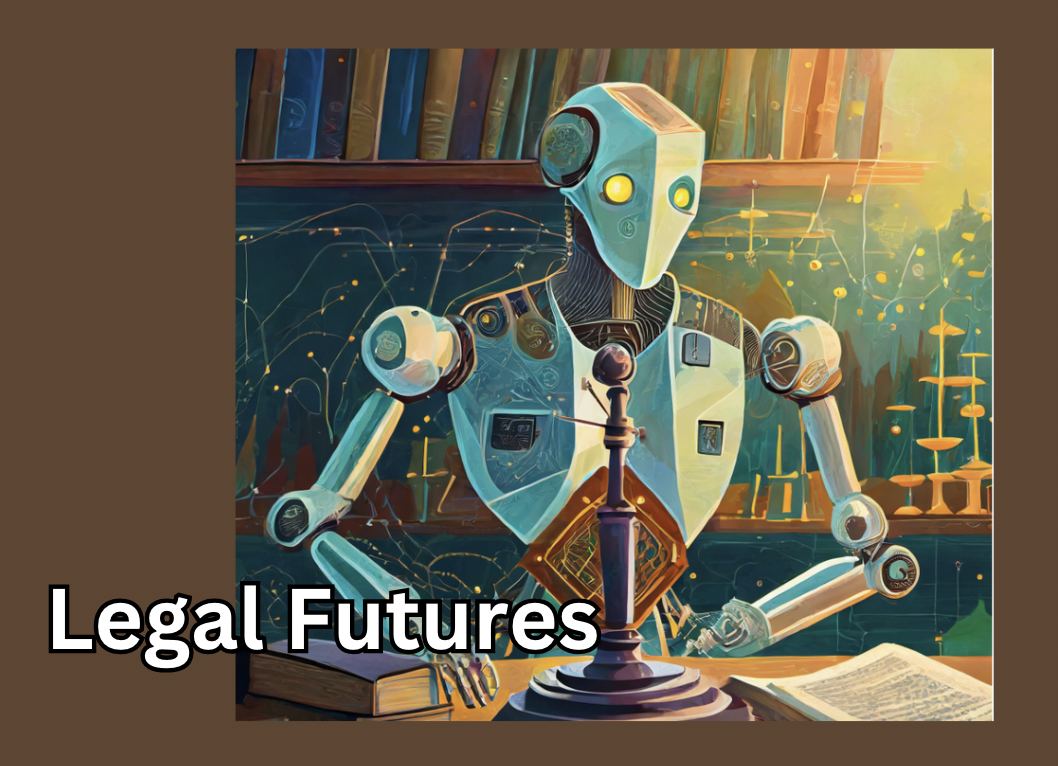
A.I. In Law: Adversary or Ally?
Addressing the Possible Implications of A.I. Technology in Law and the Necessity of Regulation
DOI:
https://doi.org/10.60690/s3dsf547Abstract
This paper asserts that the progression of Artificial Intelligence technology is an incredible feat and holds momentous potential to grant significant efficiency to individuals involved in the study and practice of law. Nonetheless, such benefits do not transpire without subsequent harms; this paper means to present the adverse effects that could befall historically marginalized and disadvantaged groups and promote the motion of constructing infrastructure to regulate the utilization of this revolutionary technology in the legal field. Identifying the promises that the techno-solutionist mindset preaches and contrasting it with the current capabilities of Artificial Intelligence, the aim is to have a clear understanding of how an integration of this magnitude could benefit students of and practitioners in law. By focusing on past incidents regarding A.I. integration in media, business, and finance, this paper will bring credibility to the concerns previously outlined. Brief and preliminary data gathered from individuals involved in the identified discipline will illustrate the imperative for cautionary advancement of another integration and further progression of A.I. technology in the legal field. Contrary to what business moguls and wealthy proprietors would like people to believe, this technology is still in its infancy and has faults that prevent it from executing the extraordinary feats that it is credited with being able to accomplish. Such unmerited promotion can lead to unfavorable outcomes that will not only impact utilizers of this technology, but also the clients they serve, and thus regulation is demanded. By regulation, we mean to incur internal regulation by legal institutions (e.g., law schools and law firms) combined with government policy to hold these agent conglomerates accountable and protect common people, specifically the most vulnerable of society, from harm. This paper concludes with the perspective to think critically regarding the development and integration of advanced technology within all fields, and not solely the legal sector.